

Close Menu
    Facebook X (Twitter) Instagram
    Monday, October 26
    Facebook X (Twitter) Instagram
    African AirlinesAfrican Airlines
    • About Us
    • Contacts
    • FAQ
    African AirlinesAfrican Airlines
    Home»Air Cargo and Logistics»African airlines’ cargo demand rose by 7% in March
    Air Cargo and Logistics

    African airlines’ cargo demand rose by 7% in March

    Nandi BikoBy Nandi BikoAugust 1, 20262 Mins Read
    Facebook Twitter Pinterest LinkedIn Tumblr WhatsApp VKontakte Email
    African airlines’ cargo demand rose by 7% in March
    Share
    Facebook Twitter LinkedIn Pinterest Email

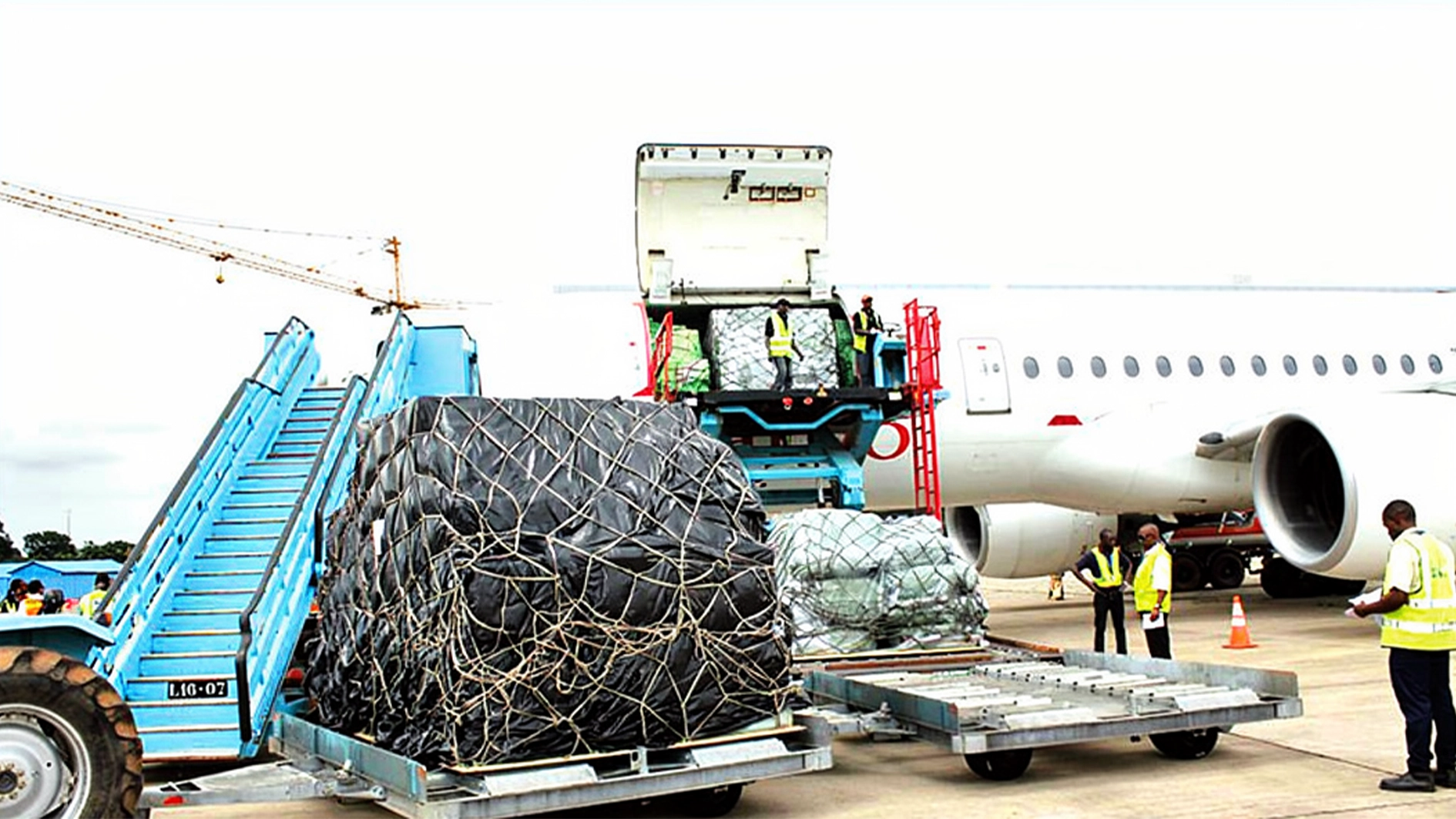
    Air freighters offloading consignments at the cargo section of Murtala Muhammed International Airport (MMIA), Lagos..

    African airlines posted a seven per cent increase in demand for air cargo in March compared to the same period in the previous year.

    This comes as global demand dropped by 4.8 per cent within the period, mainly due to the ongoing crisis in the Middle East.

    These data were contained in a report released yesterday by the International Air Transport Association (IATA).

    According to IATA, the seven per cent year-on-year increase in demand for air cargo was the strongest rise across regions.

    IATA, however, said that capacity by Africa’s carriers decreased by 4.6 per cent year-on-year.

    For the Asia-Pacific airlines, the carriers saw a 5.4 per cent year-on-year growth in air cargo demand with a five per cent increase in capacity year-on-year.

    European carriers saw a 2.2 per cent year-on-year increase in demand for air cargo in March and an increase in capacity of 4.2 per cent year-on-year.

    Latin American and Caribbean carriers saw a 1.8 per cent year-on-year increase in demand for air cargo in March, with increased capacity of 5.1 per cent year-on-year.

    But North American carriers saw a 1.2 per cent year-on-year decrease in air cargo demand in March, with reduced capacity at 1.1 per cent year-on-year.

    Also, Middle Eastern carriers saw a 54.3 per cent year-on-year decrease in demand for air cargo in March, the weakest performance of all regions, while their capacity decreased by 52.4 per cent year-on-year.

    Commenting on the development, IATA’s Director-General, Willie Walsh, said the fall in air cargo demand by 4.8 per cent in March compared to the previous year was mostly due to severe disruptions at major Gulf hubs due to the war in the Middle East.

    Walsh added that the timing of the usual post–Lunar New Year slowdown also added to the decline.

    He added: “The underlying demand trends, at this point, appear strong, and the recent World Trade Organisation and International Monetary Fund revisions to trade and Gross Domestic Product (GDP) projections continue to see growth in 2026.

    “Importantly, air cargo networks are providing the flexibility needed to support global supply chains as they adjust to geopolitical, tariff, and operational strains. All eyes are on fuel supply and price, which are expected to test the industry’s resilience in the coming months.”

    Source link

    Share. Facebook Twitter Pinterest LinkedIn Tumblr WhatsApp Email
    Nandi Biko
    • Website

    Related Posts

    DHL builds humanitarian logistics academy in Africa

    October 26, 2026

    MSC Air Cargo formalises partnership with Neutral Air Partner

    October 26, 2026

    Pressure builds for pan-African alliance

    October 23, 2026

    Canada Expands its Air Transport Agreement with North African Country

    October 23, 2026
    Leave A Reply Cancel Reply

    Facebook X (Twitter) Instagram Pinterest
    • Blog
    • Destinations
      • America
      • Europe
      • Africa
      • Asia
      • Australia
    • Type of Trip
    • Budget
    • Travel Resources
    • Family Travel
    • Couples travel
    • Solo Travel
    • Business Travel
    • Adventure travel
    • Eco travel
    • Budget Travel
    • Luxury travel
    © 2026 ThemeSphere. Designed by ThemeSphere.

    Type above and press Enter to search. Press Esc to cancel.

    Powered by
    ►
    Necessary cookies enable essential site features like secure log-ins and consent preference adjustments. They do not store personal data.
    None
    ►
    Functional cookies support features like content sharing on social media, collecting feedback, and enabling third-party tools.
    None
    ►
    Analytical cookies track visitor interactions, providing insights on metrics like visitor count, bounce rate, and traffic sources.
    None
    ►
    Advertisement cookies deliver personalized ads based on your previous visits and analyze the effectiveness of ad campaigns.
    None
    ►
    Unclassified cookies are cookies that we are in the process of classifying, together with the providers of individual cookies.
    None
    Powered by