
Airbus projects Ethiopia’s passenger traffic will grow nearly twice as fast as Africa’s average, creating opportunities for fleet expansion and aircraft manufacturers.
Ethiopia is emerging as a major potential market for new commercial aircraft as Airbus forecasts a nearly sixfold increase in the country’s passenger traffic over the next two decades, significantly outpacing the rest of Africa and raising expectations of substantial fleet expansion.
The European aircraft manufacturer projects that Africa will require 1,640 new passenger aircraft by 2045, including 1,310 single-aisle and 330 widebody jets, as airlines expand their operations and replace ageing fleets.
Ethiopia is expected to be among the continent’s fastest-growing aviation markets, with origin-and-destination passenger traffic projected to expand at an annual rate of approximately 9.3 percent between 2025 and 2045, almost double Africa’s average growth rate of 4.9 percent.
The forecast, presented in Addis Ababa on October 13, 2026, positions Ethiopia as an important potential source of demand for aircraft manufacturers, particularly as Ethiopian Airlines continues expanding its international network and prepares for the development of a new aviation hub.
Although Airbus has not disclosed a separate aircraft demand projection for Ethiopia, the country’s anticipated passenger growth, established airline network and ongoing airport investments suggest a growing requirement for additional fleet capacity.
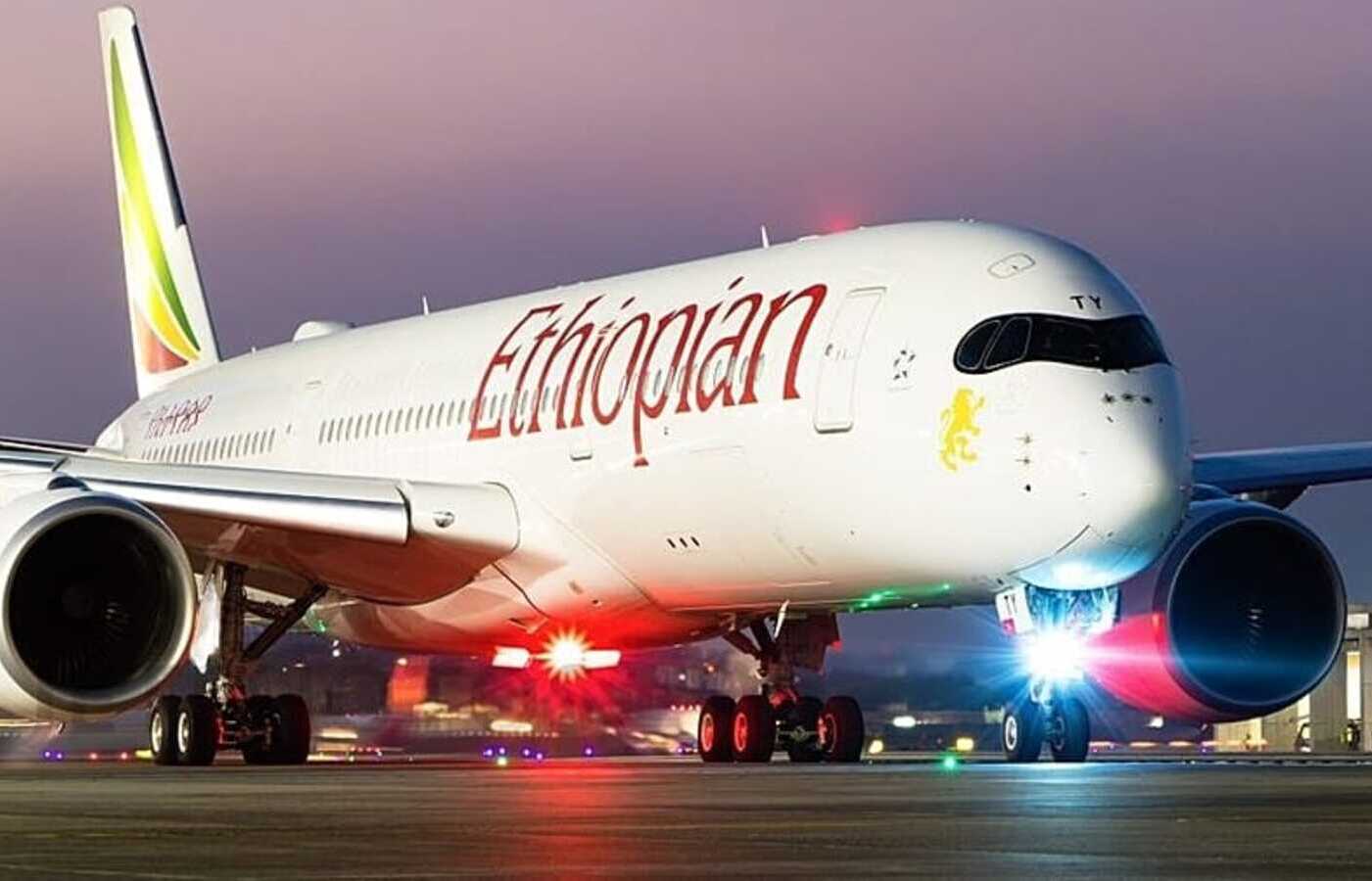
Ethiopian Airlines, Africa’s largest carrier, operates a fleet of more than 160 aircraft and serves over 145 international destinations across five continents. The airline has expanded its passenger operations considerably over the past eight years, with annual passenger volumes exceeding 20 million.
The carrier’s continued expansion has created a substantial market for commercial aircraft, including long-haul widebody jets serving international routes and smaller aircraft operating regional and domestic connections.
Airbus’s forecast indicates that single-aisle aircraft will account for approximately 80 percent of Africa’s projected new passenger aircraft requirements, reflecting rising demand for shorter routes and intra-African connectivity.
Widebody aircraft will account for the remaining 20 percent, serving long-haul markets linking African cities with destinations in Europe, Asia, the Middle East and the Americas.
For Ethiopia, the expected expansion comes alongside the development of Bishoftu International Airport, a 12.5 billion US dollars project intended to significantly increase the country’s aviation capacity.
The first phase of the airport is designed to accommodate 60 million passengers annually, with the longer-term development providing capacity for up to 110 million passengers.
The airport’s planned capacity substantially exceeds that of Addis Ababa Bole International Airport, which can currently accommodate approximately 25 million passengers annually.
The project is expected to provide Ethiopian Airlines with infrastructure to accommodate future fleet growth, additional routes and increased international transit traffic.
However, Airbus’s Ethiopia-specific projection covers origin-and-destination passenger traffic rather than all passengers connecting through the country’s airports. Consequently, the forecast does not directly establish the number of additional aircraft Ethiopian Airlines will require to support its international hub operations.
The manufacturer expects demographic and economic developments to drive wider African demand.
Africa’s population is projected to increase by 720 million to more than two billion by 2045, while the continent’s middle-class population is expected to expand by 180 million.
Airbus forecasts annual growth of 4.0 percent in real gross domestic product and 3.9 percent in real trade, supporting demand for business travel, tourism and regional connectivity.
In Ethiopia, the number of annual flights taken per person is forecast to increase by 150 percent over the next two decades, compared with projected increases of 100 percent in Nigeria and South Africa.
The projected expansion also points to growing requirements for aircraft maintenance, financing, training and aviation infrastructure.
Africa is expected to require 71,000 additional aviation professionals, including 20,000 pilots, 30,000 mechanics and 21,000 cabin crew, to support the anticipated increase in aircraft operations.
Ethiopian Airlines already operates maintenance and aviation training facilities, positioning it to participate in some of the supporting services required by a growing continental fleet.
The manufacturer projects that Africa’s passenger traffic will nearly triple by 2045, making the continent the second-fastest-growing aviation market globally after Asia.
