


The Airlines Association of Southern Africa (AASA) has joined global carriers voicing “grave concern” over the escalating jet fuel crisis as Hormuz closure enters critical phase.
Aaron Munetsi, CEO of AASA, has warned that the Southern Africa Development Community (SADC) region could exhaust jet fuel supplies if the Strait of Hormuz remains closed beyond May.

AASA CEO Aaron Munetsi delivered the stark assessment as the fallout from the US-Israel-Iran conflict continues to reverberate through global aviation fuel supply chains.
Around 70% of the continent’s jet fuel and kerosene imports transit through the Strait of Hormuz, leaving the continent acutely exposed. Munetsi highlighted that the SADC region is particularly vulnerable, given that it depends almost entirely on imported crude oil and refined Jet-A1 kerosene.
“Airlines require certainty on the security of jet fuel supplies beyond a six-week horizon if they are to maintain their schedules and fulfil their obligations to customers,” he said.
Fuel prices triple as southern African carriers reduce frequencies
Jet fuel prices across Southern Africa have, on average, more than tripled – from approximately ZAR8.50 per litre in mid-February when the war started to over ZAR 30.00 per litre by mid-April. In landlocked states such as Malawi, where logistical constraints compound supply pressures, Jet-A1 prices have soared past ZAR 50.00 per litre.
The price shock is compounding longstanding structural disadvantages. “The increases have exacerbated the situation for African airlines, which, even before the current crisis, were paying some of the highest jet fuel prices in the world,” said Munetsi.
He noted that some of the region’s carriers were already reporting that jet fuel accounted for as much as 40% of their total operating costs, even before the crisis began.
The latest spike has prompted many SADC-based airlines to implement fuel surcharges, and a number have begun reducing frequencies and consolidating flights. While a strategic commercial move, it risks undermining the region’s air connectivity.
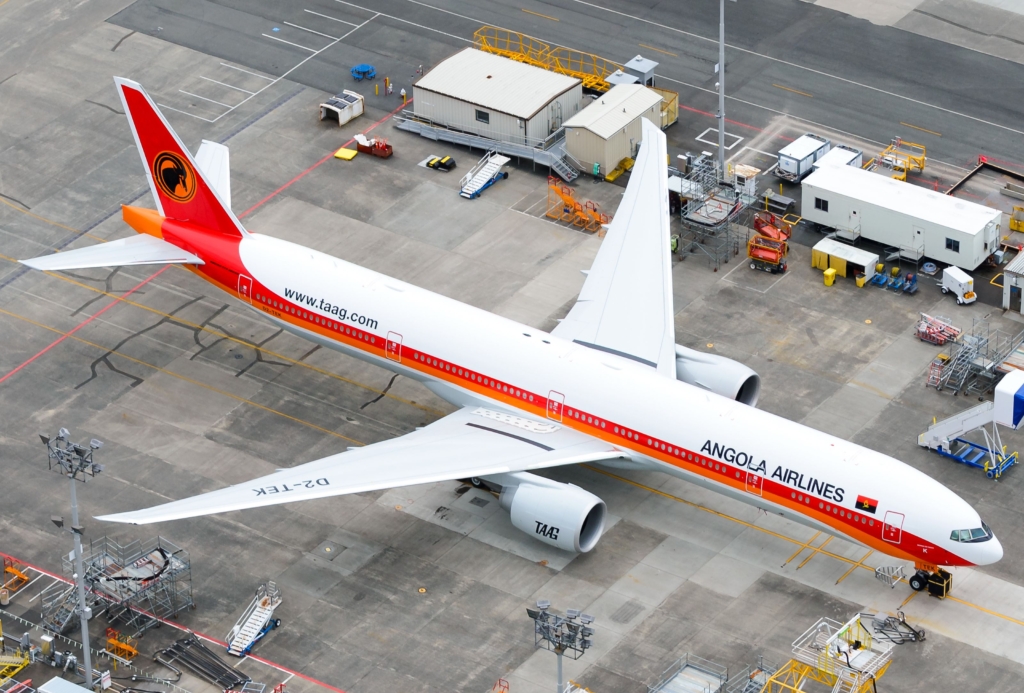
Airlines represented by SADC include South African Airways, FlySafair, TAAG, Air Mauritius, Air Austral and Airlink.
AASA calls for transparency and coordination
On behalf of AASA, Munetsi is urging the region’s fuel suppliers, depots (including airports) and governments to “urgently share” their contingency fuel allocation and distribution plans with the wider sector.
He argued that transparency on fuel stocks, outstanding orders and the status of national strategic fuel reserves will help ensure reserves are allocated and prioritised appropriately.
Crucially, Munetsi cautioned that even when the Strait of Hormuz blockades are lifted, “it will take months” for fuel production to stabilise as several refineries in the Gulf have sustained damage requiring repair and, in some cases, rebuilding.
He also called on airports and air navigation service providers to collaborate with airlines to improve operational efficiency “by eliminating congestion and delays that waste fuel and increase costs.”
Nigeria’s crisis as jet fuel prices increase by nearly 300%
The crisis is not confined to southern Africa. Nigerian carriers have also faced jet fuel price increases exceeding 270% and prompting Air Peace CEO Allen Onyema to publicly demand an explanation from fuel marketers on the near 300% price hike.
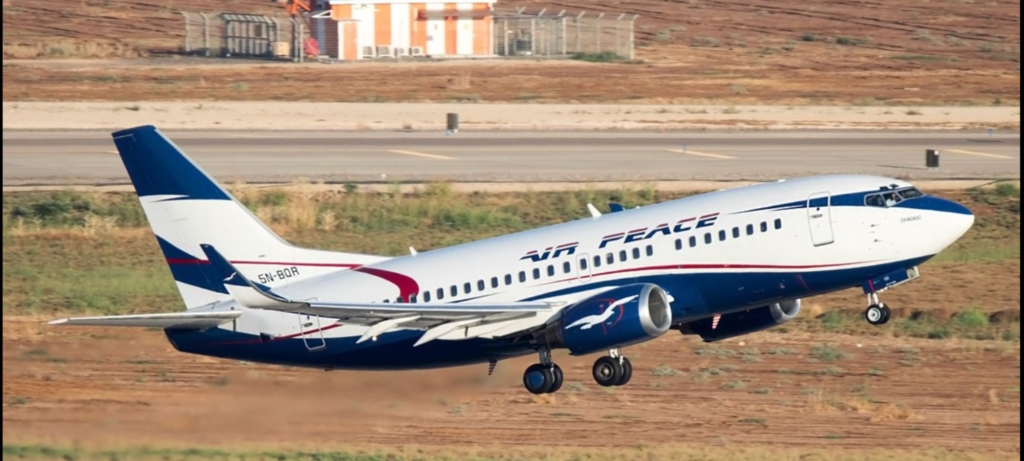
In response, the Nigerian government has intervened, capping jet fuel prices and approving 30% debt relief for Nigerian airlines, including parking fees to the airports Authority of Nigeria (FAAN), charges to the Nigerian Airspace Management Agency (NAMA) and other levies.
Nigeria’s Dangote refinery – the largest in Africa – which reached full operational capacity at the start of this year, has emerged as a notable actor in the unfolding crisis. It is well positioned to capitalise on record margins in Jet-A1 production, supplying not only Nigerian carriers but also export markets, primarily in Europe.
However, Dangote’s impact on domestic fuel prices remains limited. Nigeria operates a fully deregulated market, meaning fuel prices are not subsidised by the government and are therefore market-determined.
Why the jet fuel crisis is a global concern
Africa’s concern about jet fuel supplies reflects a wider international picture. The International Energy Agency (IEA) has also warned that Europe could run out of jet fuel supplies by mid-June if the Strait of Hormuz remains closed.
Airports Council International (ACI) Europe has written directly to the European Commission, warning of “significant harm” to the European economy if plane refuellers run dry. Europe is already diversifying its import sources, acquiring increased jet fuel volumes from the US, as well as from Nigeria’s Dangote refinery.
The latest data from the International Air Transport Association (IATA) shows global jet fuel prices averaged US$184.63 per barrel in the week ending 17 April – a 105.1% increase compared with the same week in 2025.
IATA’s director general, Willie Walsh, echoed Munetsi’s call for transparency, saying it is vital that “authorities have well-communicated and well-coordinated plans in place in case rationing becomes necessary.”
Featured image: Niki / stock.adobe.com
