


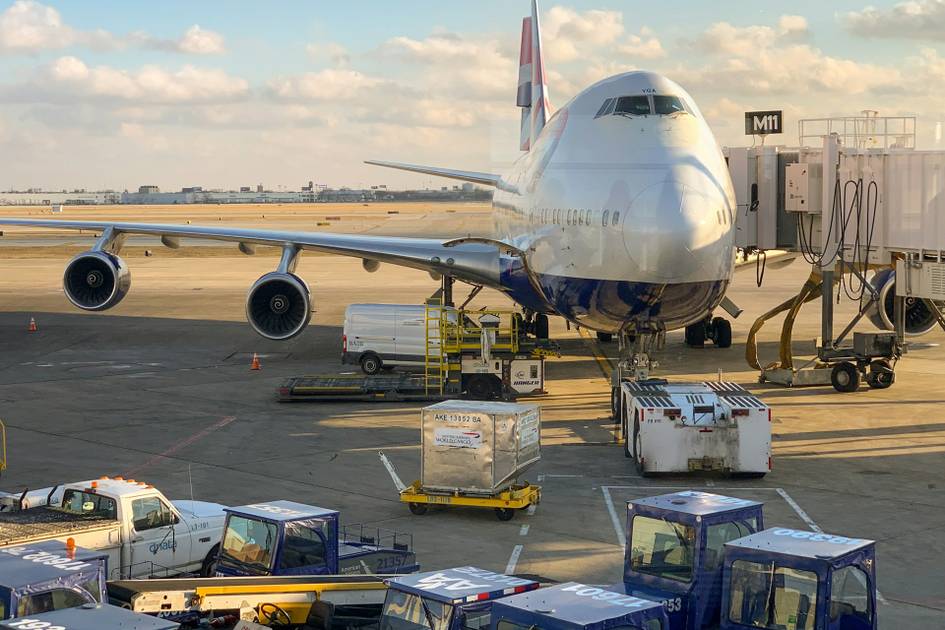
The persistent disruption of global maritime shipping has transformed airfreight across Africa from a niche logistical alternative into a vital operational lifeline. Driven by ongoing security challenges in the Red Sea and Middle East, ocean carriers have been compelled to bypass the Suez Canal and detour around the Cape of Good Hope, adding weeks to maritime transit times and creating severe congestion at key African ports. In response to unpredictable shipping schedules and severe supply chain bottlenecks, importers and exporters throughout Sub-Saharan Africa—most notably in major commercial corridors across Nigeria, South Africa, and Ghana—are increasingly shifting time-sensitive cargo onto air routes to maintain trade continuity.
For the apparel and textile industry, this modal shift carries profound implications. Fashion supply chains operate on tight seasonal cycles and compressed lead times, where transit delays directly translate to inventory shortages, reduced customer trust and heavy markdowns on missed seasonal collections. Fast fashion retailers and garment manufacturers rely on precise delivery schedules to synchronise factory production with retail demand. As ocean shipping schedules collapsed into multi-week unpredictabilities, brand managers and textile suppliers were forced to migrate raw material inputs—such as fabric rolls and trims—as well as finished garments to air cargo, prioritising schedule reliability over historical freight cost structures.
Capturing African trade volumes
This sharp pivot toward air transport has triggered significant responses from global air carriers and logistics operators looking to capture expanding African trade volumes. International carriers like Emirates SkyCargo and regional airlines such as TAAG Angola Airlines have increased dedicated freighter capacity into both established trade gateways and emerging regional hubs, including Lusaka Airport in Zambia. In a foresighted move, global logistics provider DHL Group has backed this structural shift with a 300-million-euro investment to enhance continent-wide freight infrastructure. For textile manufacturers operating within or exporting from Africa, expanded airfreight networks provide unprecedented access to high-frequency cargo routes, enabling them to ship finished apparel rapidly to consumer markets in Europe and North America.
However, the financial realities of airfreight present a double-edged sword for the garment sector. Because air cargo costs significantly more per kilogram than traditional maritime shipping, fashion brands are facing compressed profit margins on low-to-mid-tier apparel products. High-volume, low-cost basic garments—such as standard t-shirts or denim—struggle to absorb elevated freight overhead without price increases that threaten consumer demand. Consequently, apparel firms are being forced to strategically bifurcate their shipping methods: high-margin fashion items, seasonal capsules and critical replenishment stock are fast-tracked via air, while core year-round inventory continues to brave the delayed ocean transit routes.
Long-haul ocean routes remain vulnerable
Beyond immediate cost pressures, the current airfreight surge is accelerating broader structural reconfigurations across the fashion supply chain. The ongoing maritime instability has highlighted the geographic vulnerability of long-haul ocean routes, prompting brand leaders to re-evaluate nearshoring and regional sourcing strategies. Expanding industrial activity across Sub-Saharan Africa, paired with modernising airport cargo hubs, is positioning African textile hubs not merely as passive origin points, but as agile manufacturing cenres capable of serving fast-turnaround international markets. As logistics infrastructure improves across the continent, apparel brands are finding that higher-speed air logistics can be leveraged as a competitive advantage to support rapid inventory turnover.
Ultimately, whether Africa’s current airfreight expansion remains a permanent cornerstone for fashion logistics or tapers off depends on the long-term resolution of maritime bottlenecks. Should ocean freight routes normalise and maritime port congestion clear, a portion of bulk garment shipments will undoubtedly return to cheaper ocean transport. Nevertheless, the ongoing crisis has reshaped industry perceptions of supply chain resiliency. Apparel and textile companies operating in Africa have established stronger, highly responsive air cargo partnerships, proving that speed and adaptability can mitigate systemic global trade disruptions—even when forced to fly above the stormy seas.
